:max_bytes(150000):strip_icc():focal(801x261:803x263)/Matthew-Lillard-paramount-event-102425-a13882f0fc524685bbb840985e4e9563.jpg)
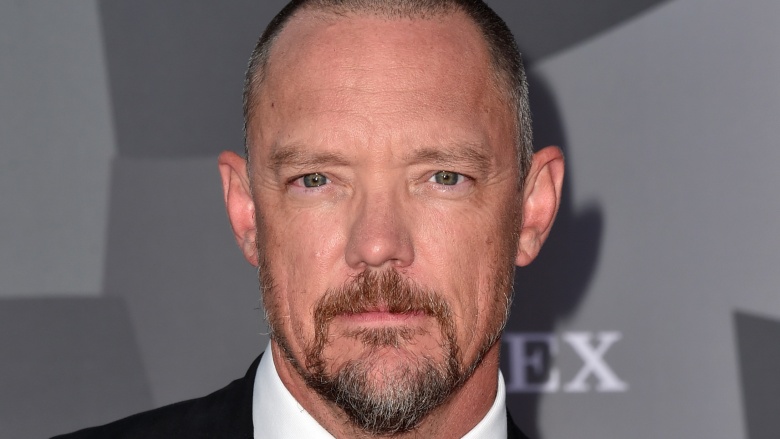
Matthew Lillard doesn’t flinch when asked why he’s still working in Hollywood while so many of his peers have faded from the spotlight. In fact, he owns it: “Nostalgia is why they keep calling me,” he once said with a wry smile. It’s a candid admission, but one that cuts to the heart of a much larger shift in entertainment. As studios mine the past for recognizable IP and audiences hunger for comfort in uncertain times, actors associated with iconic 90s and early 2000s roles are experiencing a renaissance. Lillard, best known for his manic energy in Scream and lovable weirdo turns in SLC Punk! and Hackers, sits at the center of this cultural echo chamber.
His self-awareness isn’t just refreshing—it’s strategic. In an industry that often pretends legacy has nothing to do with relevance, Lillard leans into the nostalgia economy without irony, using it as both a platform and a springboard.
The Nostalgia Economy and Hollywood’s Reliance on Legacy
Hollywood has always recycled ideas, but the current obsession with the past feels different. It’s not just remakes and reboots—it’s the revival of personas. Actors aren’t just returning to franchises; they’re being welcomed back as cultural touchstones. Think of David Spade in King of the Hill, Jamie Foxx in Bootlegger, or Freddie Prinze Jr. popping up everywhere from Scoob! to Star Wars: The Acolyte. These aren’t just casting choices—they’re emotional triggers.
Matthew Lillard fits this pattern perfectly. His portrayal of Stu Macher in Scream (1996) wasn’t just a breakthrough role—it was a cultural reset in how horror treated comic relief. Stu wasn’t the sidekick; he was the id of the film, a chaotic, pop-culture-obsessed teen who weaponized humor. When the franchise revived decades later, fans didn’t just want Scream—they wanted that version of it. And that meant Lillard.
In interviews, he’s acknowledged that his looks haven’t aged in a traditionally “leading man” direction—but his energy has. “I’m not the guy they cast for the stoic detective,” he’s said. “But if they need someone who’s a little unhinged, a little nostalgic, a little fun? I’m getting the call.”
How Lillard Leverages Nostalgia Without Being Trapped by It
What sets Lillard apart isn’t just that he’s nostalgic—it’s how he uses it. While some actors resist their past roles or lament being typecast, Lillard treats nostalgia as currency. He’s embraced his Scream legacy without being defined by it. After the original film, he could’ve chased mainstream stardom. Instead, he dove into indie films (Whipped, The Descendants), voice acting (Scooby-Doo franchise), and even theater.
His voice work as Shaggy in various Scooby-Doo animated projects is particularly telling. He didn’t just imitate the character—he redefined it. By channeling the same jittery, hyper-enthusiastic energy he brought to Stu, he made Shaggy feel modern while honoring the source. It’s a masterclass in repurposing nostalgia: not copying the past, but remixing it.
Even when he returned to Scream in the 2022 reboot and its sequel, he didn’t just reappear—he evolved. His character’s legacy was woven into the narrative, giving younger characters a reference point. This meta-awareness—where the audience and the characters recognize the weight of history—is something Lillard brings naturally.
The Business of Being “That Guy”
Lillard is “that guy” in the best possible way—the actor you recognize immediately, even if you can’t recall his name. That status is its own kind of power in Hollywood. “That guy” actors often have longer, more stable careers than leading men. They’re cast not for star power, but for instant recognition and emotional resonance.
Consider his post-Scream trajectory: - 2002–2008: Shifted to character roles in films like Without a Paddle and Sleepover, building a cult following. - 2010s: Transitioned into voice acting and indie projects, staying visible without overexposure. - 2020s: Returned to mainstream prominence with Scream (2022) and Scream VI, now as a mentor figure.
This arc mirrors how Hollywood now values actors with built-in audience goodwill. Studios aren’t betting on unknowns—they’re reducing risk by hiring people who already have a fanbase. Lillard’s honesty about this dynamic (“They call me because people remember me”) reflects a deeper truth: in an era of algorithm-driven casting, familiarity is an asset.
Why Audiences Crave Nostalgic Performances
Nostalgia isn’t just a studio strategy—it’s a psychological comfort mechanism. Research shows people turn to familiar media during times of stress, uncertainty, or transition. The 2020s, marked by global instability and rapid technological change, have become a golden age for nostalgia.
When audiences see Matthew Lillard back in Scream, it’s not just about the plot. It’s about reconnecting with a version of themselves from 1996. That’s powerful. And Lillard understands this intuitively. In promotional interviews, he often speaks directly to fans’ memories: “I know you remember Stu. I remember him too.” That shared language builds loyalty.
:max_bytes(150000):strip_icc():focal(749x0:751x2)/matthew-lillard-tout-1110124-2fe9aabf148d477da9f1309d3174a059.jpg)
But nostalgia only works if the performance holds up. And here, Lillard delivers. His return wasn’t a cameo—it was layered. In Scream (2022), his brief appearance carried emotional weight because it acknowledged both his character’s past and the audience’s attachment to it. He wasn’t just there for a laugh; he was a bridge between eras.
The Risk of Relying Too Much on Nostalgia For all its benefits, nostalgia is a double-edged sword. Lean into it too hard, and you risk becoming a caricature. Look at some legacy actors who return to franchises but feel out of place—either because the writing fails them, or because they’re coasting on recognition alone.
Lillard avoids this trap by staying selective. He hasn’t jumped into every 90s reboot offered to him. He turned down roles that would’ve reduced him to a punchline. Instead, he’s pursued projects where his past informs the present, not defines it.
He’s also expanded beyond acting. In 2023, he launched a podcast and started producing indie content through his production company. These moves suggest a long-term vision: use nostalgia to stay visible, but build something sustainable beneath it.
Contrast this with actors who disappeared after their heyday, only to resurface in low-budget reunion films. Lillard’s approach is more nuanced—he’s not chasing fame, he’s curating relevance.
What Lillard’s Career Tells Us About Hollywood’s Future
Matthew Lillard’s career arc is a blueprint for the modern legacy actor. In an age where virality is fleeting and attention spans are short, longevity comes not from constant visibility, but from meaningful association.
Hollywood’s current love affair with nostalgia isn’t going anywhere. But it’s evolving. Audiences don’t just want old faces—they want them to matter. Lillard succeeds because he doesn’t just show up; he adds value. Whether it’s grounding a horror franchise with emotional continuity or bringing depth to a cartoon character, he enhances the material.
His self-deprecating quote—“Nostalgia is why they keep hiring me”—is more insightful than it first appears. It’s not an admission of irrelevance. It’s a recognition of cultural mechanics. He knows why he’s in demand, and instead of resisting it, he’s learned to work within it—like a seasoned player reading the game.
A Model for Sustainable Stardom
The lesson from Matthew Lillard isn’t that nostalgia is king. It’s that authenticity within nostalgia is what lasts. He doesn’t pretend he’s the same 25-year-old who terrorized Woodsboro. He’s older, wiser, and more deliberate. But he still brings that spark—the erratic charm, the unpredictable delivery, the sense that anything could happen.
That’s why Hollywood keeps calling. Not just because people remember Stu Macher. But because Matthew Lillard knows how to make the past feel present.
For actors looking to survive in an industry obsessed with the next big thing, Lillard offers a counterintuitive path: embrace what made you memorable, but never stop evolving. Nostalgia opens the door—craftsmanship keeps you in the room.
Frequently Asked Questions
Why does Matthew Lillard say nostalgia is why he’s still hired? He believes audiences and studios respond to familiar faces from beloved 90s films, and his iconic role in Scream gives him enduring appeal.
Has Matthew Lillard only worked on nostalgic projects? No—he’s done indie films, voice acting, theater, and original series, using nostalgia as a platform, not a prison.
Did Matthew Lillard reprise his role in the new Scream movies? Yes, he appeared in Scream (2022) and Scream VI (2023) in a legacy role that paid homage to his original character.
How has Lillard adapted his career over time? He transitioned from leading roles to character parts, embraced voice acting, and moved into producing and podcasting.
Is nostalgia the only reason legacy actors get cast? While it plays a big role, casting also depends on performance quality, audience connection, and cultural timing.
What makes Lillard’s use of nostalgia different? He doesn’t just revisit past roles—he evolves them, adding depth and self-awareness that resonate with modern audiences.
Can other actors replicate Lillard’s career longevity? Yes, by balancing nostalgia with versatility, staying selective with projects, and building a multi-platform presence.
FAQ
What should you look for in Matthew Lillard Says Nostalgia Is Why Hollywood Keeps Hiring Him? Focus on relevance, practical value, and how well the solution matches real user intent.
Is Matthew Lillard Says Nostalgia Is Why Hollywood Keeps Hiring Him suitable for beginners? That depends on the workflow, but a clear step-by-step approach usually makes it easier to start.
How do you compare options around Matthew Lillard Says Nostalgia Is Why Hollywood Keeps Hiring Him? Compare features, trust signals, limitations, pricing, and ease of implementation.
What mistakes should you avoid? Avoid generic choices, weak validation, and decisions based only on marketing claims.
What is the next best step? Shortlist the most relevant options, validate them quickly, and refine from real-world results.